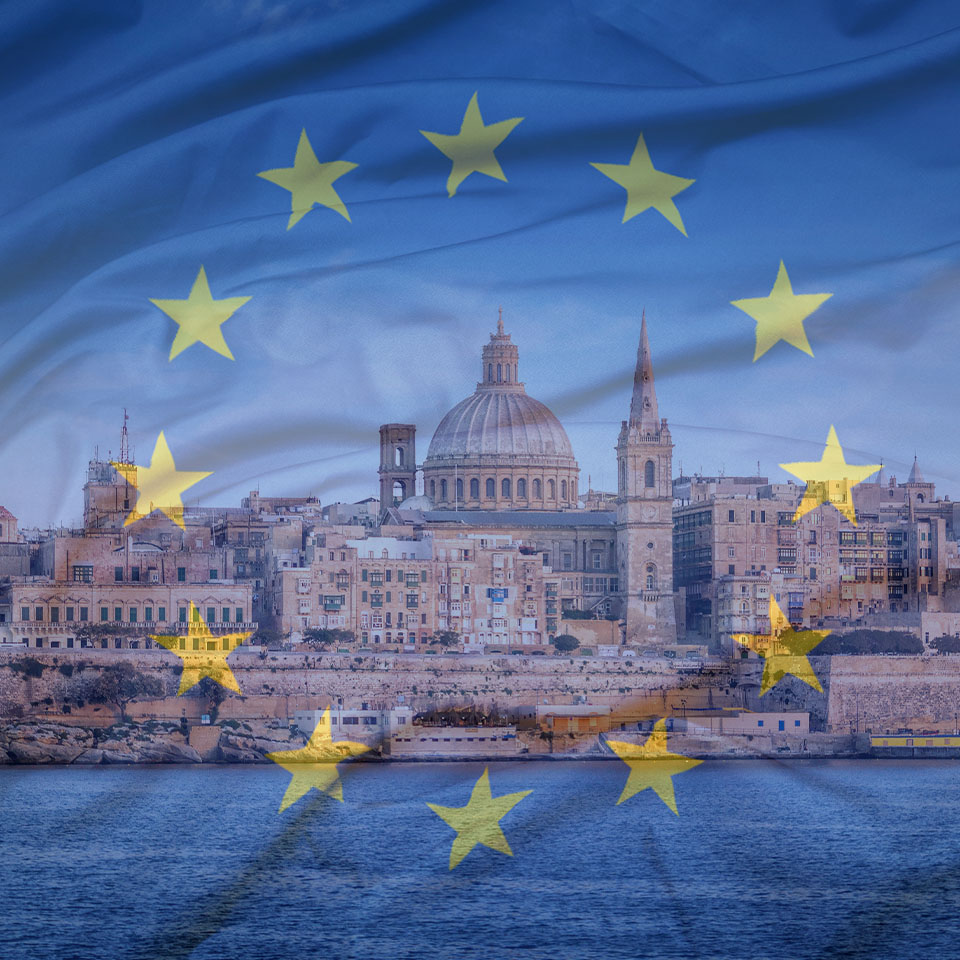
How Malta’s citizenship framework is aligning with European law through merit, contribution, and national strategy
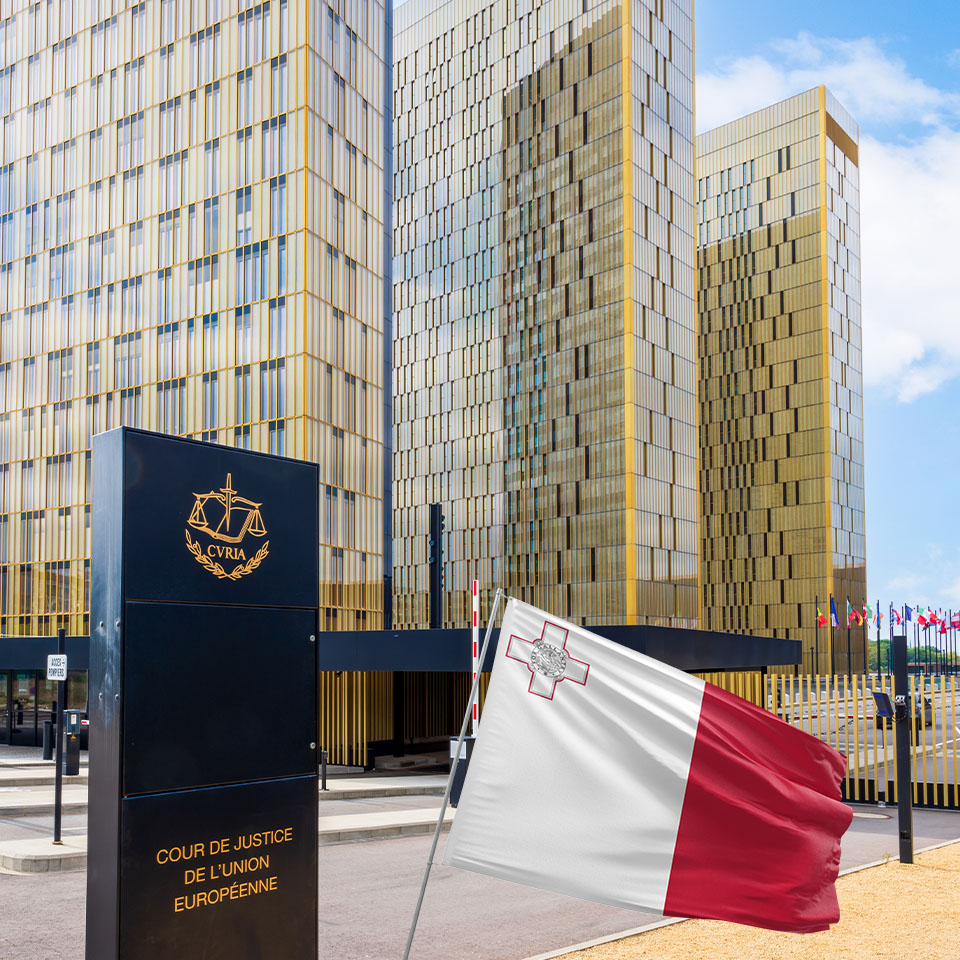
One year after the judgment of the Court of Justice of the European Union in Commission v Malta (C-181/23), Malta’s citizenship landscape has entered a phase of legal consolidation and strategic repositioning. The ruling did not challenge Malta’s sovereign competence over nationality, but it clarified the limits of its exercise within the framework of European Union law.
In response, Malta has not merely adjusted its legal framework but has contributed to a broader conceptual shift: from transactional models of citizenship towards a doctrine of Contributive Belonging, where nationality is recognised on the basis of exceptional contribution, alignment with national priorities, and demonstrable integration.
This evolution finds expression in the Malta Citizenship by Merit framework, which reflects a more mature, legally robust, and future-oriented approach to citizenship in Europe.
How Malta’s citizenship framework is aligning with European law through merit, contribution, and national strategy
One year after the judgment of the Court of Justice of the European Union in Commission v Malta (C-181/23), Malta’s citizenship landscape has entered a phase of legal consolidation and strategic repositioning. The ruling did not challenge Malta’s sovereign competence over nationality, but it clarified the limits of its exercise within the framework of European Union law.
In response, Malta has not merely adjusted its legal framework but has contributed to a broader conceptual shift: from transactional models of citizenship towards a doctrine of Contributive Belonging, where nationality is recognised on the basis of exceptional contribution, alignment with national priorities, and demonstrable integration.
This evolution finds expression in the Malta Citizenship by Merit framework, which reflects a more mature, legally robust, and future-oriented approach to citizenship in Europe.
The European Commission v Malta judgment has reshaped how citizenship is interpreted under EU law, particularly in relation to genuine links and national competence.
Malta’s response has reinforced a shift towards citizenship grounded in exceptional contribution and national interest.
The Maltese Citizenship by Merit framework now sits at the centre of lawful citizenship pathways, focusing on individuals who contribute meaningfully to Malta’s economic, scientific, cultural and social development.
The judgment reflects a broader European trend – moving away from transactional models towards substance, alignment and long-term connection.
Who Is This For
This publication is relevant to internationally mobile individuals and advisors navigating European citizenship strategy in a post-EC v Malta landscape.
In particular, it speaks to founders, entrepreneurs, UHNW individuals, family offices, philanthropists, technologists, researchers, and cultural figures whose profile may align with Malta’s evolving Citizenship by Merit framework. It is equally relevant to private client advisors, tax professionals and intermediaries structuring long-term European positioning for their clients.
What This Means for You
Citizenship planning in Europe has shifted from a process-driven exercise to a substance-driven strategy.
For applicants, this means that eligibility alone is no longer sufficient. A credible narrative of contribution, alignment with national interest, and long-term connection has become central. For advisors, it introduces a more strategic, multidisciplinary approach – combining legal, tax, and positioning considerations to support a robust citizenship pathway.
One Year After EC v Malta: Where We Stand
The Commission v Malta judgment marked a critical inflection point in European citizenship jurisprudence. The Court reaffirmed that nationality remains within the sovereign competence of Member States, yet emphasised that its exercise must comply with EU law where broader Union rights are implicated.
The judgment did not impose a uniform model of citizenship. Instead, it introduced a principle of proportionality and substance – requiring that the grant of nationality reflects a genuine and meaningful connection between the individual and the Member State.
“The European Court did not remove Malta’s competence over citizenship. It refined it. The emphasis is now firmly on substance, not just the process through which citizenship is obtained.” Dr. Jean-Philippe Chetcuti, Senior Partner, Citizenship by Merit practice.
Citizenship by Merit: Malta’s Refined Approach
Malta has responded not by stepping back from citizenship, but by refining how it is granted.
The Citizenship by Merit framework has emerged as the central lawful pathway. It is selective, case-driven and grounded in contribution.
In practice, this involves recognising individuals who bring value aligned with Malta’s national priorities, including those active in:
science and research
entrepreneurship and innovation
culture, arts and sport
philanthropy and social impact
technology and emerging industries
This is not a checklist-based process. It requires demonstrating that the individual’s connection to Malta is real, sustained and meaningful.
“Citizenship is now based on exceptional contribution aligned with the national interest.” Dr. Jean-Philippe Chetcuti, Senior Partner, European Citizenship practice
This marks a shift from eligibility criteria to the recognition of impact.
European Citizenship Landscape After EC v Malta
Malta’s evolution reflects a broader European direction.
Across jurisdictions, there is a move away from purely investment-driven frameworks towards models that emphasise:
Integration and connection
Contribution to national ecosystems
Long-term alignment with policy objectives
The European Court’s position reinforces that citizenship must reflect a genuine link, even where Member States retain sovereign competence.
For applicants and advisors, this introduces a more complex evaluation. The relevant question is no longer whether a pathway exists, but whether it is credible, sustainable and aligned with both national and EU-level expectations.
Practical Implications for Founders and Global Families
For internationally mobile individuals, this shift materially changes how citizenship is approached. Planning is no longer about selecting the most efficient route. It is about positioning and alignment. In practice, this involves:
Assessing how an individual’s profile aligns with Malta’s strategic priorities
Structuring presence and contribution over time
Developing a credible narrative around impact and engagement
Taking a long-term, multi-jurisdictional perspective
“It is less about access and more about positioning, contribution and long-term fit.” Jean-Philippe Chetcuti, Senior Partner, Chetcuti Cauchi Advocates
Malta’s Strategic Direction
This evolution aligns with Malta’s broader economic and policy trajectory.
Malta is increasingly positioning itself as:
A hub for innovation and high-value industries
A jurisdiction focused on sustainable, knowledge-based growth
A State recognising contribution beyond financial capital
This is consistent with national strategic planning, where long-term growth is expected to be driven by innovation, human capital and specialised sectors rather than volume-based expansion .
Citizenship policy is therefore not evolving in isolation – Malta's Vision 2050 Strategy is part of a broader repositioning of Malta’s role within Europe.
The European citizenship law development does not only apply to Malta. It reflects a wider recalibration of nationality law across Europe, where Member States are becoming more deliberate, more cautious, and more aligned with EU principles. Portugal, for instance, strengthened its residency requirement requiring a tougher language test and 10 years of residency before allowing citizenship applications under its Golden Visa.
The Doctrine of Contributive Belonging
Malta’s response to this shift is encapsulated in the doctrine of Contributive Belonging.
This doctrine positions citizenship as:
a recognition of exceptional contribution
an outcome of alignment with Malta’s long-term national strategy
a reflection of meaningful engagement with the country
It moves beyond narrow metrics and instead evaluates:
impact in innovation, science, technology, philanthropy, culture, and economic development
contribution to Malta’s national priorities and future sectors
depth of integration within Malta’s institutional and social fabric
This aligns closely with Malta’s broader national trajectory. Malta Vision 2050 emphasises a transition towards a quality-driven, innovation-led economy centred on human capital and long-term value creation.
“Citizenship, in its most defensible form, is not granted for what is given, but recognised for what is contributed.” Dr Jean-Philippe Chetcuti, Senior Partner
Malta Citizenship by Merit Framework
he Malta Citizenship by Merit framework operationalises this doctrine within a legally compliant structure.
Key characteristics include:
It is a legal framework, not a programme or scheme
Applications are assessed case by case, on merit
A minimum of 8 months’ legal residence is required, alongside a holistic assessment of ties and contribution
The process emphasises alignment with national interest and demonstrable impact
Importantly, the framework avoids:
transactional positioning
guaranteed outcomes
standardised pathways
Instead, it reflects a principles-based approach, consistent with EU law and evolving jurisprudence.
Strategic Implications for Malta and Europe
One year after EC v Malta, the direction of travel is clear.
Malta has:
reinforced legal compliance
strengthened the legitimacy of its citizenship framework
contributed to the evolution of European citizenship doctrine
At a European level, the implications are broader:
clear disapproval of purely transactional models
greater emphasis on substantive connection and contribution
Malta’s approach positions it as:
a compliant jurisdiction enjoying legal certainty
a forward-looking policy innovator
a credible destination for high-impact individuals
a merit-based recognition framework
Looking Ahead
The future of citizenship in Europe will likely be shaped by:
selectivity based on contribution
alignment with national and EU-level priorities
integration as a measurable and meaningful concept
In this context, Malta’s Contributive Belonging framework represents an early and structured response to these evolving legal and policy dynamics.
European Doctrine of Contributive Belonging seen in Maltese Citizenship Reform
Malta’s Citizenship by Merit reform translates the principles raised in EC v Malta (C-181/23) into a modern, contribution-based naturalisation model. Implementing the judgement's recommendations, Malta reshaped its framework to reflect a European understanding of “genuine links” grounded in authentic, value-aligned contribution rather than unreasonable territorial permanence or transactional investment.
By requiring mandatory legal residence and requiring measurable engagement in philanthropic, commercial, cultural, scientific or national-interest initiatives, Malta 'operationalises' the doctrine of Contributive Belonging - a model where citizenship arises from reciprocity, participation and alignment with national interest. This approach better fits the reality of globally mobile families while meeting EU expectations for integrity and substantive connection. More on Malta's Citizenship by Merit rules here.
About the Author
Dr Jean-Philippe Chetcuti
Dr. Jean-Philippe Chetcuti is a Maltese advocate and internationally recognised citizenship and immigration lawyer with over 25 years of specialised experience in European and global nationality, residency, and tax law across jurisdictions.
“Where granted, Maltese Citizenship by Merit represents a legacy asset of the highest value – one that reflects recognised contribution, legal permanence, and intergenerational continuity rather than transactional entitlement.” J.P. Chetcuti
Dr. Chetcuti holds a Doctor of Laws degree and a Master of Laws in international economic law from the University of Warwick, and regularly speaks at international legal and academic fora on citizenship, residency and cross-border legal issues.
FAQs on Maltese Citizenship after EC v Malta
[question]What did EC v Malta change in practice?[/question] [answer]The judgment reinforced the requirement for a genuine link between the individual and the State, shifting focus towards substance, contribution and long-term connection in citizenship decisions.[/answer]
[question]Is Maltese citizenship still available after the ruling?[/question] [answer]Yes. Malta continues to grant citizenship, particularly through the Citizenship by Merit framework, which focuses on individuals demonstrating exceptional contribution aligned with national interest.[/answer]
[question]What qualifies as exceptional contribution?[/question] [answer]Exceptional contribution typically includes measurable impact in areas such as business, science, culture, philanthropy or innovation, where the individual contributes to Malta’s development and strategic objectives.[/answer]
[question]Who is most suited to the Citizenship by Merit pathway?[/question] [answer]Founders, entrepreneurs, researchers, UHNW individuals, philanthropists and cultural figures whose work aligns with Malta’s national priorities and long-term development goals are typically strong candidates.[/answer]
[question]Is financial investment alone sufficient for citizenship?[/question] [answer]No. While financial contribution may be relevant, the framework prioritises overall contribution, alignment and genuine connection rather than purely financial thresholds.[/answer]
How Our Citizenship & Global Mobility Lawyers Can Help You
Our lawyers advise founders, high-net-worth individuals, and family offices on structuring citizenship and global mobility strategies aligned with Malta’s evolving legal framework.
We assist with:
eligibility assessment under Maltese citizenship laws
structuring residence and contribution strategies
aligning personal, philanthropic, and business activities with Malta’s national priorities
navigating cross-border legal and tax considerations
I engaged Chetcuti Cauchi to transition my citizenship by investment process, started before the ECJ decision, to the new Citizenship by Merit laws in Malta. Partners Jean-Philippe Chetcuti, Priscilla Mifsud-Parker, and Antoine Saliba-Haig inspired confidence in their extensive experience from the first conversations, which confirmed my decision to work with a local specialist law firm. JP, Priscilla and Antoine stayed involved throughout the case right to completion, in a process that clearly needed senior legal attention. I am now a proud Maltese citizen, having moved from the US to Malta with my family. I'm in love with Malta, the Mediterranean lifestyle, the inclusivity and above all, the warm people I now form part of.
Tech Entrepreneur & Venture Capitalist, USA
Dr. Chetcuti has always shown great wisdom and knowledge. He’s remarkably courteous and client-oriented.
UHNWI speaking to Chambers & Partners, Private Wealth Law
My wife and I have an association with Chetcuti Cauchi since 2009. They assisted us with our original residence permit applications for Malta and since then have taken care of our annual income tax submissions and Permanent Residence and residence card renewals. They always handle our matters very efficiently and professionally. The consultants that work with us are friendly, helpful and very competent. They are familiar with the regulations and procedures in the related government departments, and this makes the process run extremely smoothly for us. We are very satisfied with the service we received from Chetcuti Cauchi and will continue to maintain our relationship with them in future. We can highly recommend them for any of the services that they offer.