Close
Contact us
Published:
31.08.2026
Last Updated:
31.08.2026
31.08.2026

Intellectual Property Succession Planning in Malta

reading time
By
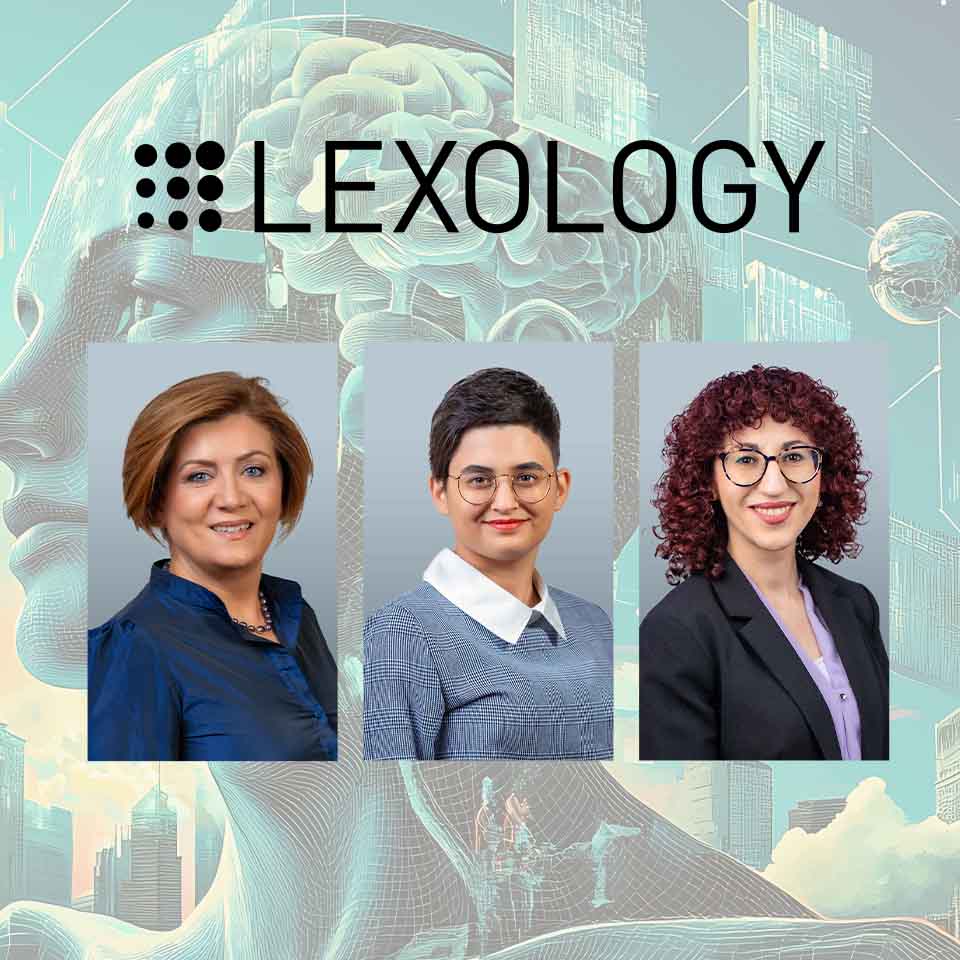
Susanna Grech Deguara

Senior Associate

Luana Cuschieri

Senior Associate

Scroll to explore
what's inside

Protecting IP Across Generations

Discover how intellectual property should form part of every succession plan. Learn how Maltese law, trusts, holding companies and governance structures protect brands, patents, copyrights and family wealth.

full article

Copyright © 2025 Chetcuti Cauchi. This document is for informational purposes only and does not constitute legal advice. Professional legal advice should be obtained before taking any action based on the contents of this document. Chetcuti Cauchi disclaims any liability for actions taken based on the information provided. Reproduction of reasonable portions of the content is permitted for non-commercial purposes, provided proper attribution is given and the content is not altered or presented in a false light.

continue learning
what's inside

Protecting IP Across Generations

Discover how intellectual property should form part of every succession plan. Learn how Maltese law, trusts, holding companies and governance structures protect brands, patents, copyrights and family wealth.

  • Intellectual property is a transferable asset that should form part of every succession plan.
  • Valuable brands, patents and copyrights require ongoing governance, not merely inheritance.
  • Trusts, foundations and holding companies can preserve intellectual property across generations.
  • Cross-border intellectual property portfolios require coordinated international succession planning.
  • Early planning protects both commercial value and family legacy.

Succession Planning for Intellectual Property: Preserving Innovation, Brands and Family Wealth Across Generations

For many entrepreneurs, innovators, artists and family businesses, intellectual property is among their most valuable assets. Yet it is frequently overlooked when preparing wills and succession plans. Unlike tangible assets, intellectual property requires ongoing legal protection, active management and commercial oversight long after ownership changes. Effective succession planning therefore extends beyond deciding who inherits an asset – it requires establishing governance structures capable of preserving innovation, protecting brands and maintaining licensing income for future generations.

Intellectual Property as Family Wealth

When families think about succession planning, they naturally focus on property, investments, businesses and financial assets. Increasingly, however, intellectual property (IP) represents a substantial proportion of family wealth.

Trademarks, patents, copyrights, registered designs, software, trade secrets and proprietary know-how can all generate long-term commercial value. They may arise through family businesses, entrepreneurial ventures, technology companies, creative works, luxury brands or licensing activities.

Some of the world's most valuable businesses derive much of their worth from intangible assets. Ferrari's greatest asset is not simply the cars it manufactures, but the strength and reputation of the Ferrari brand. Likewise, LEGO has successfully preserved its family-controlled business through decades of careful protection and licensing of its trademarks, copyrights and designs.

For many internationally active families, intellectual property is therefore not merely a legal right but a strategic family asset deserving the same attention as any investment portfolio or family company.

Why Intellectual Property Creates Unique Succession Challenges

Unlike physical property, intellectual property cannot simply be handed to the next generation and forgotten.

Its value often depends upon:

  • maintaining registrations;
  • renewing rights within statutory deadlines;
  • enforcing rights against infringement;
  • managing licensing agreements;
  • protecting confidential information; and
  • coordinating ownership across multiple jurisdictions.

Ownership records, licence agreements and renewal obligations are frequently spread across different countries, making succession significantly more complex than transferring shares or real estate.

The experience of luxury fashion houses demonstrates this challenge well. Armani's global trademark portfolio requires continued renewal, monitoring and enforcement across numerous jurisdictions. Without active management, even internationally recognised brands risk losing legal protection through administrative oversight or failure to enforce their rights.

Beyond the Will: Governance Matters

A carefully drafted will remains an essential component of any estate plan, but, where significant intellectual property exists, it is rarely sufficient on its own, and should form part of a broader succession plan.

Many successful families establish governance structures that preserve ownership while allowing future generations to benefit economically.

Common succession vehicles include:

  • family holding companies;
  • trusts;
  • private foundations; and
  • dedicated intellectual property holding entities.

These structures centralise ownership, simplify administration and reduce the fragmentation that often occurs when valuable IP is divided among several heirs.

A trust, for example, separates legal ownership from beneficial enjoyment, allowing trustees to manage licensing, renewals and enforcement while distributing royalty income according to the settlor's wishes.

Similarly, a foundation can preserve the integrity of a family's brand or creative legacy over generations without exposing ownership to repeated succession events.

Where commercial operations continue, holding companies frequently provide the most efficient solution, enabling heirs to inherit shares while keeping ownership of the underlying intellectual property unified.

The appropriate structure depends upon the family's objectives, governance preferences, tax considerations and the nature of the intellectual property involved.

Valuing an Intangible Legacy

Many estates substantially underestimate the value of intellectual property simply because it is less visible than traditional assets.

Formal valuation should therefore form part of succession planning where intellectual property contributes materially to family wealth.

This exercise frequently identifies assets that owners themselves had overlooked, including software, proprietary processes, databases, technical documentation, artistic works or licensing rights.

Coca-Cola provides perhaps the best-known illustration of intangible value. Much of the company's worth lies not in its factories or equipment but in its trademarks, brand reputation and closely guarded proprietary formula. These intangible assets have been preserved through continuous legal protection and disciplined governance over many decades.

Without proper valuation, heirs may unknowingly dispose of valuable rights or fail to appreciate their long-term commercial potential.

Intellectual Property Succession Under Maltese Law

Under Maltese law, intellectual property rights generally form part of a deceased person's estate and may therefore pass to heirs through testamentary succession or, where no will exists, under the applicable rules of intestate succession.

However, transferring ownership is only one part of the process.

Effective succession planning should also address:

  • who will own the intellectual property;
  • who will manage and commercialise it;
  • how licensing income will be distributed;
  • how registrations will continue to be maintained; and
  • how international rights will be coordinated across jurisdictions.

For internationally mobile families and cross-border businesses, these governance questions often prove more important than the legal transfer itself.

Building an Effective Intellectual Property Succession Strategy

An effective succession strategy should begin well before retirement or death.

Practical planning typically includes:

  • identifying all intellectual property assets;
  • reviewing ownership records and registrations;
  • obtaining professional valuations where appropriate;
  • reviewing licence, royalty and commercial agreements;
  • selecting an appropriate ownership structure; and
  • integrating intellectual property into the family's wider succession and governance framework.

Many successful organisations have demonstrated the importance of proactive planning. Pharmaceutical companies routinely place valuable patent portfolios into specialised holding structures to ensure continuous management while funding future research. Technology companies increasingly develop succession frameworks that preserve institutional knowledge alongside patent ownership. Fashion houses often separate ownership of trademarks from operating companies to safeguard brand continuity regardless of changes in management or family ownership.

These examples illustrate a common principle: successful succession is less about transferring ownership than ensuring continuity.

Protecting Innovation for Future Generations

Innovation, creativity and entrepreneurship often represent a family's greatest legacy.

Protecting that legacy requires more than drafting a will. It demands legal, commercial and governance planning that preserves the value of intellectual property while ensuring it continues to generate benefits for future generations.

For family businesses, founders, creators and innovators, intellectual property should therefore be recognised as an integral component of modern estate and succession planning. When properly structured, valuable brands, inventions, copyrights and proprietary know-how can continue to strengthen both family wealth and family identity for decades to come.

How Chetcuti Cauchi Can Help

Chetcuti Cauchi's Intellectual Property, Private Client and Succession Planning lawyers work together to help entrepreneurs, innovators, family businesses and internationally active families integrate intellectual property into comprehensive estate and succession strategies.

Our multidisciplinary approach combines intellectual property protection, private wealth structuring, trusts, foundations, family governance and cross-border succession planning to help preserve both commercial value and family legacy for future generations.

Copyright © 2026 Chetcuti Cauchi. This document is for informational purposes only and does not constitute legal advice. Professional legal advice should be obtained before taking any action based on the contents of this document. Chetcuti Cauchi disclaims any liability for actions taken based on the information provided. Reproduction of reasonable portions of the content is permitted for non-commercial purposes, provided proper attribution is given and the content is not altered or presented in a false light.

testimonials

What success sounds like,from our clients

We had the pleasure of working with Chetcuti Cauchi Advocates on a number of international legal matters involving Malta real estate, succession planning and private wealth structuring.

The team demonstrated professionalism, responsiveness and strong technical expertise throughout the engagement.

Special thanks to Av. Nicole Borg for her dedication, attention to detail and practical approach in handling our matters, as well as to Dr. Charlene Mifsud and Dr. Luana Cuschieri for their support and guidance.

The Firm combines excellent legal knowledge with a strong understanding of international clients and cross-border transactions.

We look forward to working with them again in the future.

Property, Succession & Private Wealth

Maria - very available and attentive and extremely technical. Susanna  - very helpful and practical.

CEO, Tech Startup, Malta
Contact us

Speak to a
recognised expert